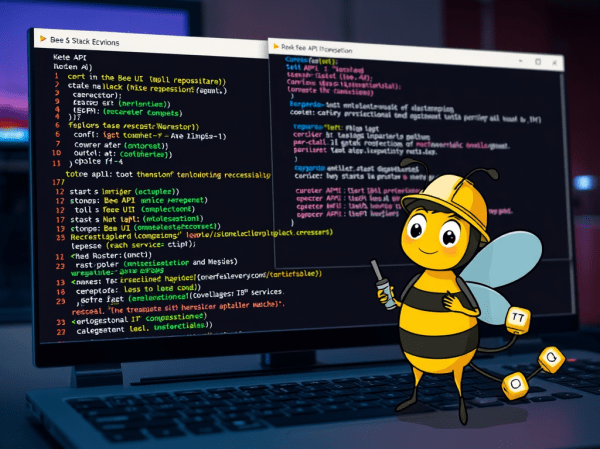
The blog post explains the integration of a custom TypeScript tool, TravelAgentTool, into the Bee API and UI to extend the Bee Framework's functionality. It details the steps for setup, including modifying source files, configuring environment variables, and demonstrating its use in travel inquiries. Code instructions for implementation are provided throughout.
CheatSheet “Ready to Go” for Bee API and UI development
The content outlines the setup process for a development environment aimed at contributing to the Bee API and Bee UI repositories within the broader Bee Stack. It details the steps of cloning repositories, starting infrastructure, configuring .env files, and launching both the Bee API and UI servers, ensuring readiness for development.
Bee Agent example for a simple travel assistant using a custom tool and observe the agent behavior in detail (Bee Framework 0.0.34 and watsonx.ai)
This blog post explains the implementation of a custom travel assistant agent using the Bee Agent Framework. It covers creating a tool to suggest vacation locations and utilizing weather data, integrating with MLFlow for observability. The article emphasizes practical execution steps, system requirements, and the motivation behind combining location and weather insights for user queries.
CheatSheet: Essential Steps to Configure Podman Machines
Podman is enhancing its capabilities in managing containers, allowing seamless integration with Kubernetes. This blog outlines how to configure a Podman machine, including creating a machine with specific resources and modifying configurations without deletion. It highlights essential commands like podman machine init and podman machine set.
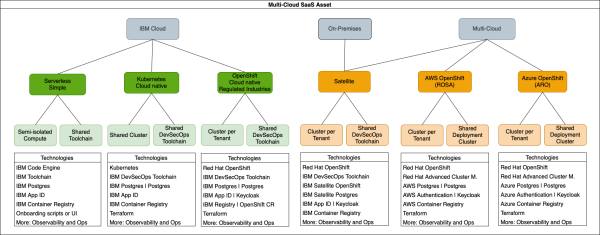
New Open-Source Multi-Cloud Asset to build SaaS
When software is provided as a managed service (SaaS), using a multi-tenant approach helps minimise costs for the deployments and operations of each tenant. In order to leverage these advantages, applications need to be designed so that they can be deployed to support multiple tenants, while maintaining isolation for security reasons. At the same time, common deployment and operation models are required so that new SaaS versions can be deployed to existing tenants, or to onboard new tenants, in a reliable and efficient way.
Error: error getting default registries to try: short-name resolution enforced but cannot prompt without a TTY
Hi, this is a very short blog post. When you use Podman and you are going to build a container with this command: podman build -t "quay.io/$REPOSITORY/mycontainer:v1" -f Dockerfile . You maybe get this error: Error: error getting default registries to try: short-name resolution enforced but cannot prompt without a TTY The reason for that... Continue Reading →