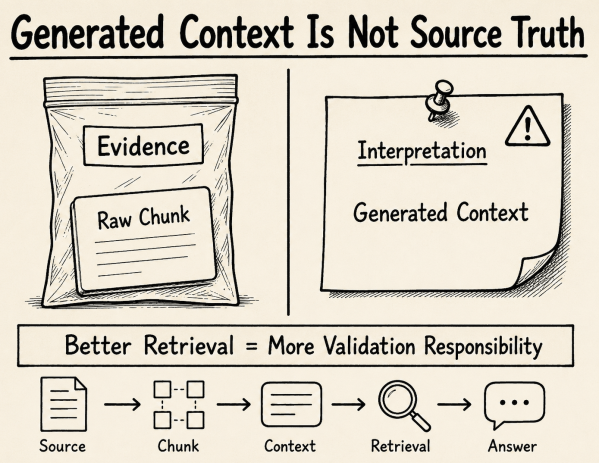
This post reflects on Contextual Retrieval with Milvus in RAG systems. It explains how generated context can improve chunk retrieval, but also changes the retrieval corpus. Once generated context is indexed, validation, traceability, and quality control become architectural responsibilities—not optional implementation details.
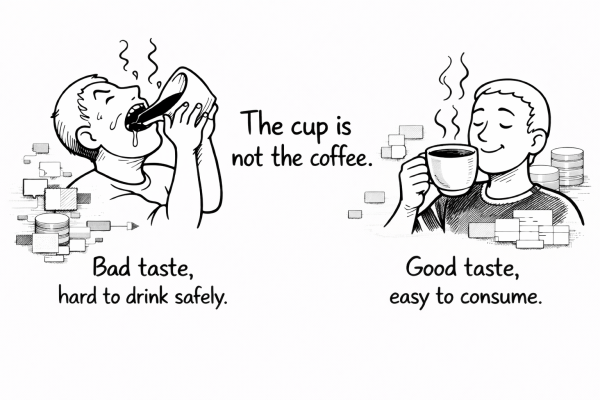
The Cup Is Not the Coffee: What Data Quality Means in the AI Era
AI systems rely heavily on data quality, which is often overlooked despite modern technical architectures. Issues like outdated, incomplete, or misaligned data can undermine system reliability, regardless of the sophistication of the components. Effective AI requires both high-quality data and solid technical infrastructure to meet user expectations and ensure trust.
RAG is Dead … Long Live RAG
The post explains why traditional Retrieval-Augmented Generation (RAG) approaches no longer scale and how modern architectures, including GraphRAG, address these limitations. It highlights why data quality, metadata, and disciplined system design matter more than models or frameworks, and provides a practical foundation for building robust RAG systems, illustrated with IBM technologies but applicable far beyond them.
How to Build a Knowledge Graph RAG Agent Locally with Neo4j, LangGraph, and watsonx.ai
The post discusses integrating Knowledge Graphs with Retrieval-Augmented Generation (RAG), specifically using Neo4j and LangGraph. It outlines an example setup where extracted document data forms a structured graph for querying. The system enables natural question-and-answer interactions through AI, enhancing information retrieval with graph relationships and embeddings.