I had following terminal output "zsh: command not found: aws" after the installation of the AWS CLI on macOS, because AWS CLI uses python and you need to ensure you did configure python right. That make it a little-bit more tricky for me to install that CLI on my machine, compared for example to the IBM Cloud CLI.
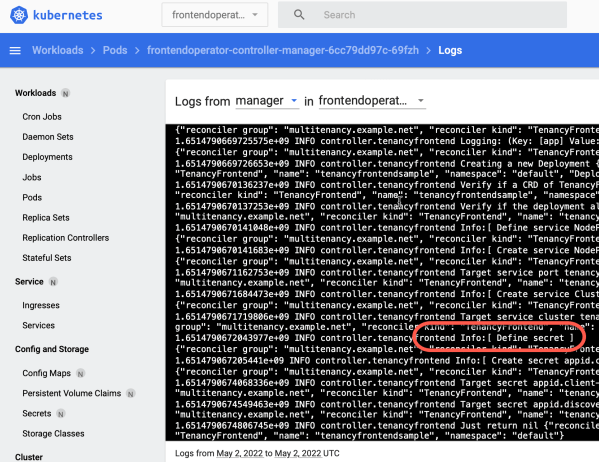
Get your custom logs of your operator
That blog post is about an easy example to get your custom logs of your operator, when the operator is running on a Kubernetes cluster. That blog post does reference an example GitHub project called Example Tenancy Frontend Operator you can use to verify the steps. (branch monitor-grafana-operator) In this project I wrote a short custom logging that... Continue Reading →
Install the Prometheus Operator using the bundle file
That blog post is about the situation that the Prometheus Operator installed from the Community Catalog doesn't work anymore on a Kubernetes 1.23.6_1527 cluster version.
Example for an installation and an initial configuration of the Grafana operator
That blog post does focus on a basic installation of the Grafana operator to get an understanding how that operator basically works in the context to the two blog posts I made before
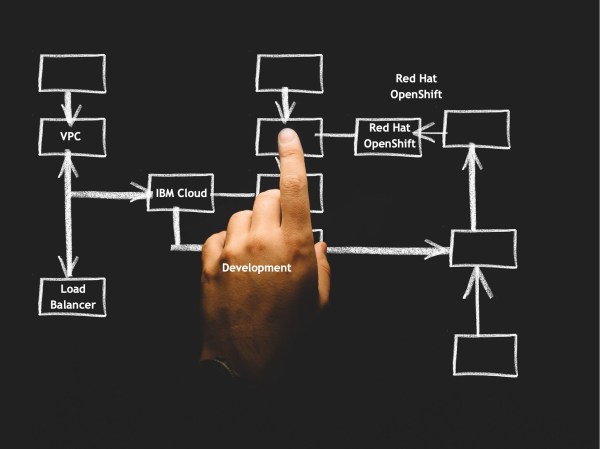
Overview of blog posts I made related to Red Hat OpenShift on IBM Cloud in a Virtual Private Cloud
This blog post provides an overview of various topics related to Red Hat OpenShift on IBM Cloud in a virtual private cloud environment I created. I have organized this overview into three main topics.
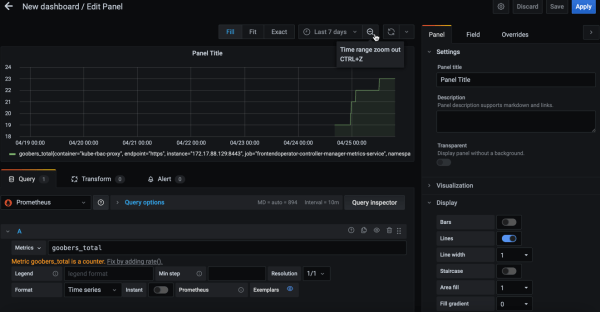
Monitor your custom operator with Prometheus
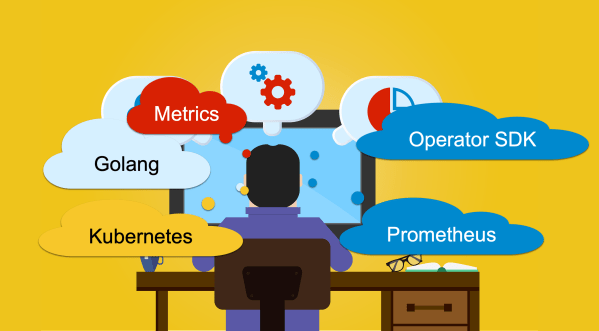
hat blog post does focus on a customized monitoring with Prometheus for a custom operator implementation build with the golang Operator SDK. For the monitoring we will use the Prometheus operator. Alain Arom and I inspected that topic and here we show you one example hands-on journey how to get the technical job done. There are a lot of materials out there, but in that blog post we follow an end-to-end scenario for a beginner to intermediate level (without any stop in the middle 😉 of the road). We will only focus on:how it basically works and not why or what we should do in monitoring.
A simple GO operator development learning journey
This is about a personal GO operator development learning journey you can follow along the different blog posts I made about the GO operator development using an own (mostly ;-)) simple example called Multi Tenancy Frontend Operator.
Add a new API version to an existing operator
This is my next blog post related to operators. That blog post is about adding a new API version to our existing example Multi Tenancy Frontend Operator. When we have added the new API version we will deploy the changed operator to a Kubernetes cluster using the Operator Lifecycle Manager (OLM).
How to create a bundle for an operator?
In that blog post we will focus on: Creating a bundle for the example operator. That bundle will be used to install the example frontend operator using an Operator Lifecycle Manager (OLM).
Run an operator as a deployment
This blog post is about: How to run the example Multi Tenancy Frontend Operator as a deployment on a Kubernetes cluster.