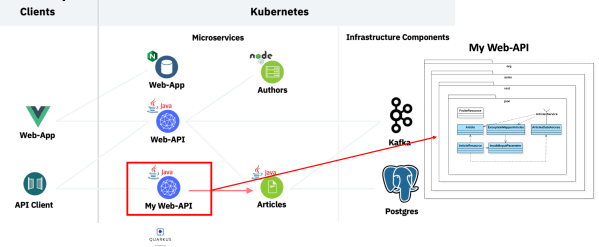
In this blog post I want to point out that I just created a 9 min YouTube video related to the great Hands-on workshop: Reactive Endpoints with Quarkus on OpenShift. In this video you can watch and follow the steps of the exercise 5 "Use distributed Logging". https://youtu.be/LHncW_HUwFU Let me give you a short preview... Continue Reading →
Deploy a Microservice to OpenShift
In this blog post I want to point out that I just created a 9 min YouTube video related to the great Hands-on workshop: Reactive Endpoints with Quarkus on OpenShift. In this video you can watch and follow the steps of the exercise 4 "Deploy Service to OpenShift". Let me give you a short preview... Continue Reading →
Invoke reactive Endpoints with Quarkus and MicroProfile
In this blog post I want to point out that I just created a 15 min YouTube video related to the great Hands-on workshop: Reactive Endpoints with Quarkus on OpenShift. In this video you can watch and follow the steps of the exercise 3 "Invoke Endpoints reactively". Niklas wrote a great blog post about the... Continue Reading →
Develop reactive Endpoints with Quarkus
In this blog post I want to point out that I just created a 12 min YouTube video related to the great Hands-on workshop: Reactive Endpoints with Quarkus on OpenShift. In this video you can watch and follow the steps of the exercise 2 "Develop reactive Endpoints". Niklas wrote a great blog post about the... Continue Reading →
How to setup the reactive Cloud Native Starter sample application on OpenShift in IBM Cloud
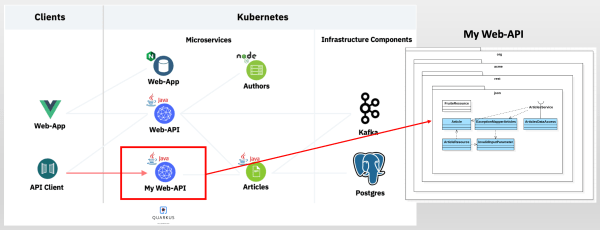
In this blog post I want to point out that I just created a 5 min YouTube video related to the great Hands-on workshop: Reactive Endpoints with Quarkus on OpenShift. In that short video I show the setup of the example application to show reactive programming. The image below shows the major architecture of the... Continue Reading →
Run a MicroProfile Microservice on OpenLiberty in a Remote development container in Visual Studio Code
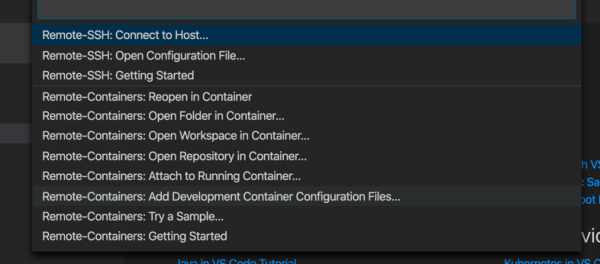
In this blog post I want to show, how to setup a local remote Java development container for Eclipse MicroProfile with OpenLiberty in Visual Studio Code. I did that for the Authors microservice from the Cloud Native Starter project with MicroProfile 3.2, OpenJDK Java 11, and the latest OpenLiberty version. That blog post is structured... Continue Reading →
Deploy the Reactive Cloud Native Starter example to IBM Cloud
The Cloud Native Starter project now contains the new great topic, the development of Reactive Microservices with Java, quarkus, MicroProfile and Vue.js as front-end. The Reactive example implementation runs on minikube, local OpenShift and on IBM Cloud Kubernetes. Here are the instructions on GitHub. But what does reactive mean? Here is an extract of the... Continue Reading →
Be aware of “opentracinqZipkin”, when you update to “MicroProfile 3.0” using “OpenTracing” with “OpenLiberty”
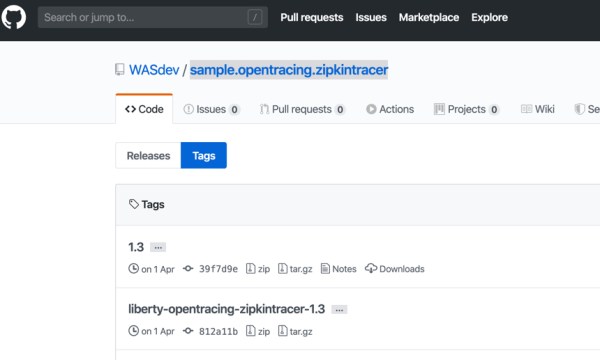
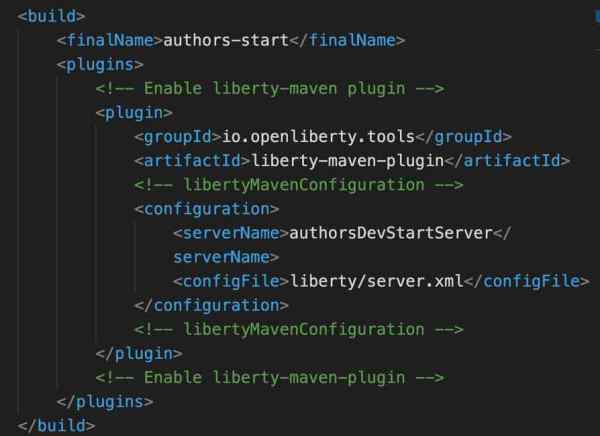
Today, just a very short note. You should be aware of opentracinqZipkin when you use MicroProfile OpenTracing with OpenLiberty, because I noticed with the update to MicroProfile 3.0 I had a problem with usr:opentracinqZipkin-0.31. I created an issue on OpenLiberty. "MicroProfile 2.1 includes mpOpenTracing-1.2. MicroProfile 3.0 includes mpOpenTracing-1.3. Please make sure you are using the... Continue Reading →
A small source code update, when you use MicroProfile Health
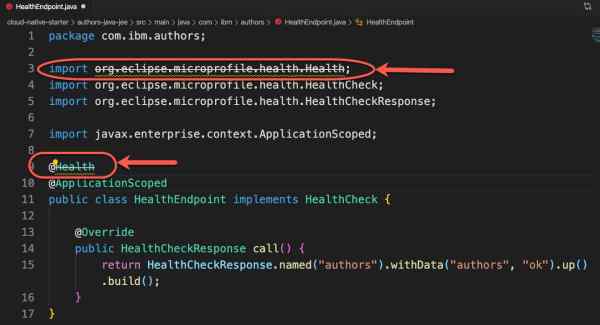
I just want to highlight a small change for the MicroProfile Health, because I noticed with the update to MicroProfile 3.0 that the annotation @Health is deprecated. It took me a little bit, because it was still listed in the MicroProfile documentation . But I figured out in the blog post from Philip Riecks , when you... Continue Reading →
Create one Java Microservice with OpenLiberty and MicroProfile – made for beginners
Today I created a YouTube video, where I developed one Microservice. The level of content of that video is for beginners. The video was "live" recorded and I made some minimal editing and the video takes 18 min. The recoding is related to Java Microservices with MicroProfile and OpenLiberty in Visual Studio Code . The source code is available in... Continue Reading →