The Cup Is Not the Coffee: What Data Quality Means in the AI Era

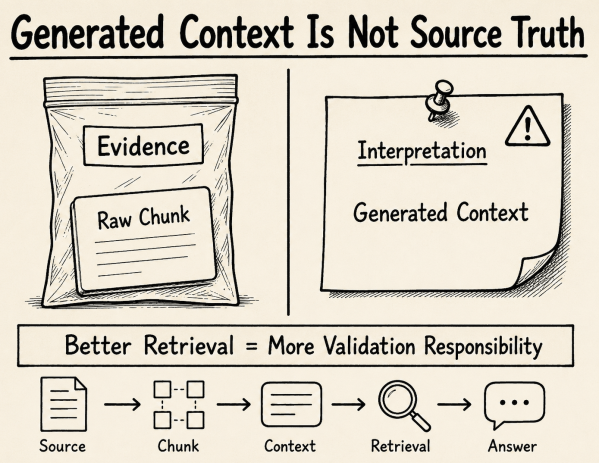
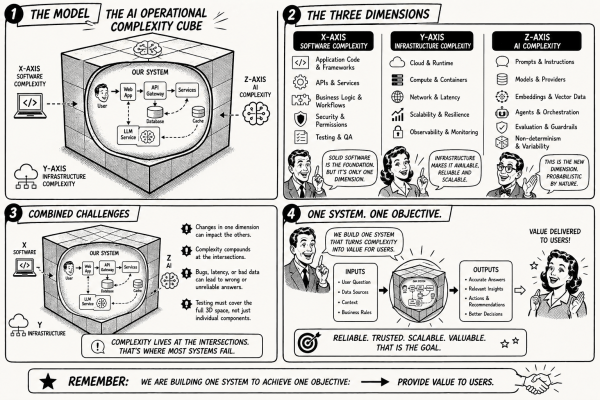
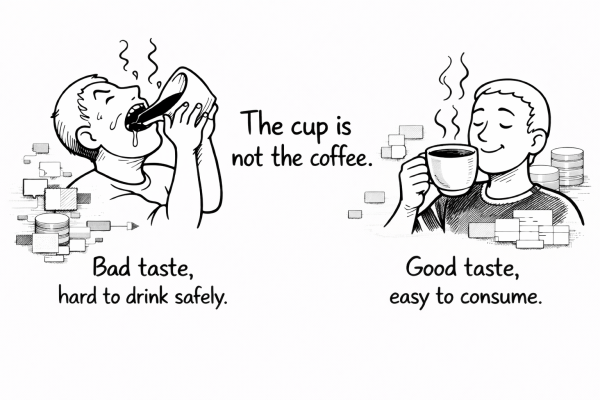
AI systems rely heavily on data quality, which is often overlooked despite modern technical architectures. Issues like outdated, incomplete, or misaligned data can undermine system reliability, regardless of the sophistication of the components. Effective AI requires both high-quality data and solid technical infrastructure to meet user expectations and ensure trust.

Who Reviews AI-Generated Software?

AI is transforming the software development lifecycle, shifting focus from coding to reviewing AI-generated systems. While AI tools simplify software generation, building trustworthy systems remains complex. Traditional review processes may no longer suffice. This raises a critical question: how can humans responsibly.

AI Grew on Open Knowledge — Will Its Success End That Openness?

This blog post explores the paradox of AI's growth potential versus the increasing trend toward data protectionism. It highlights how AI tools are hindered by data access limitations, posing risks to innovation. The observation implies that as data becomes more valuable, organizations may withhold it, undermining the openness that has historically fueled AI development.

Should MCP Replace REST for AI-Ready Applications?

The article explores the potential for using the Model Context Protocol (MCP) as a primary backend interface instead of traditional REST APIs in AI-enabled applications. Through the Galaxium Travels experiment, it examines the advantages and disadvantages of an MCP-first architecture, advocating for its use to reduce duplication and complexity while acknowledging REST's established role in many ecosystems.

A Bash Cheat Sheet: Adding a Model to Local watsonx Orchestrate

The this post describes a Bash automation script for setting up the IBM watsonx Orchestrate Development Edition. The script automates tasks like resetting the environment, starting the server, and configuring credentials, allowing for a more efficient workflow. It addresses common setup issues, ensuring a repeatable and successful process.

RAG is Dead … Long Live RAG

The post explains why traditional Retrieval-Augmented Generation (RAG) approaches no longer scale and how modern architectures, including GraphRAG, address these limitations. It highlights why data quality, metadata, and disciplined system design matter more than models or frameworks, and provides a practical foundation for building robust RAG systems, illustrated with IBM technologies but applicable far beyond them.

Blog at WordPress.com.

Up ↑